News & Insights
Private-Label AI Smart Glasses: What Can You Customize Without Developing New Hardware?
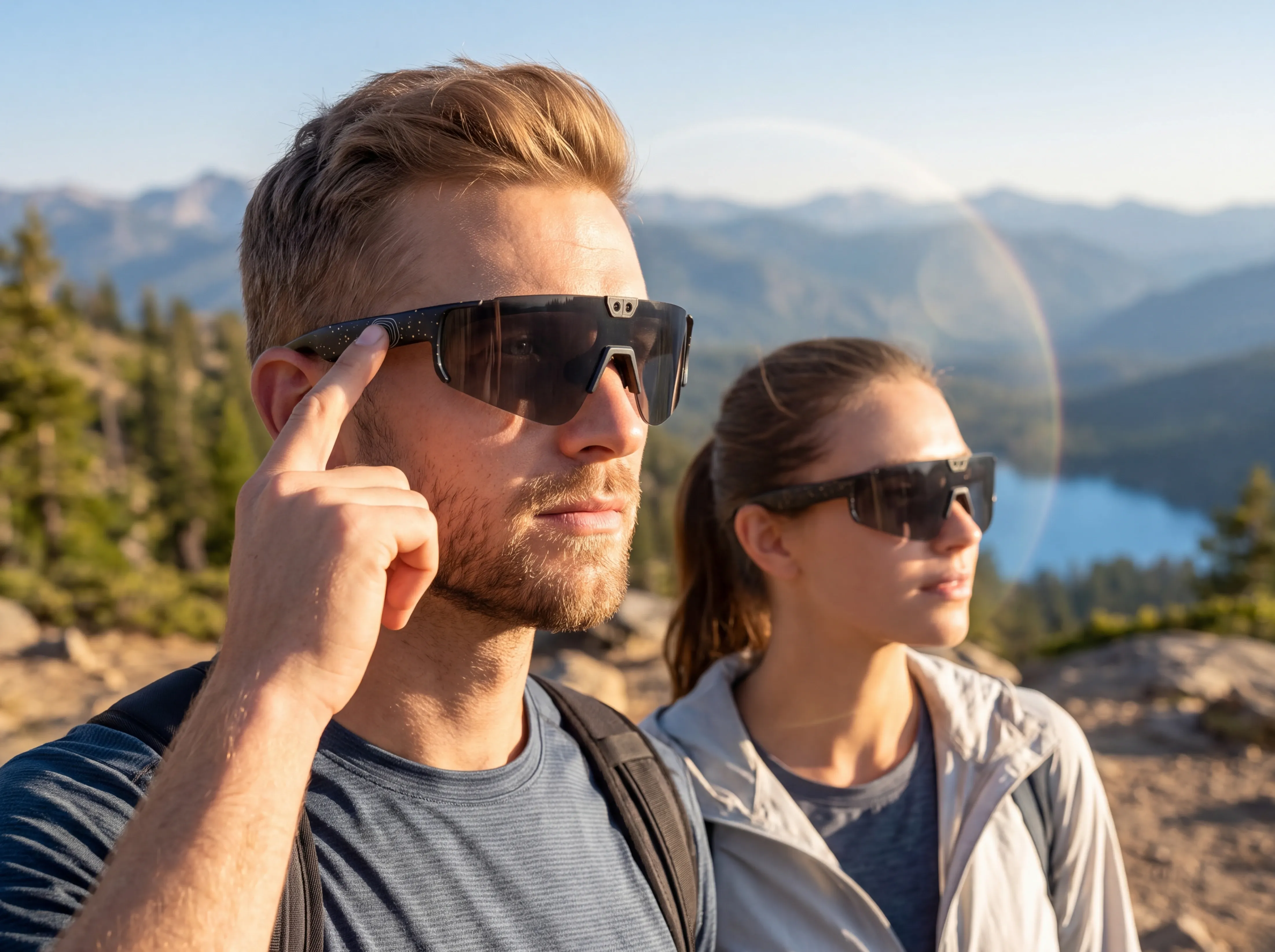
Launching a smart glasses brand does not always require designing a new frame or developing electronic components from scratch. For many brands, an existing hardware platform can provide a practical starting point. The focus then shifts to identifying which elements can be customized to give the product a distinct brand identity.
These options may include frame finishes, lens configurations, logo placement, Bluetooth device names, and retail packaging. Such changes can help differentiate a product, but they are not all equally straightforward. Some are primarily cosmetic, while others may affect product performance, compatibility, or regulatory compliance.
For brand owners and distributors, the key is to define the customization scope clearly before requesting samples or placing an order.
Give the Frame a Distinct Brand Identity
The frame is often the first thing customers notice, so even relatively small design choices can make an existing hardware platform look different.
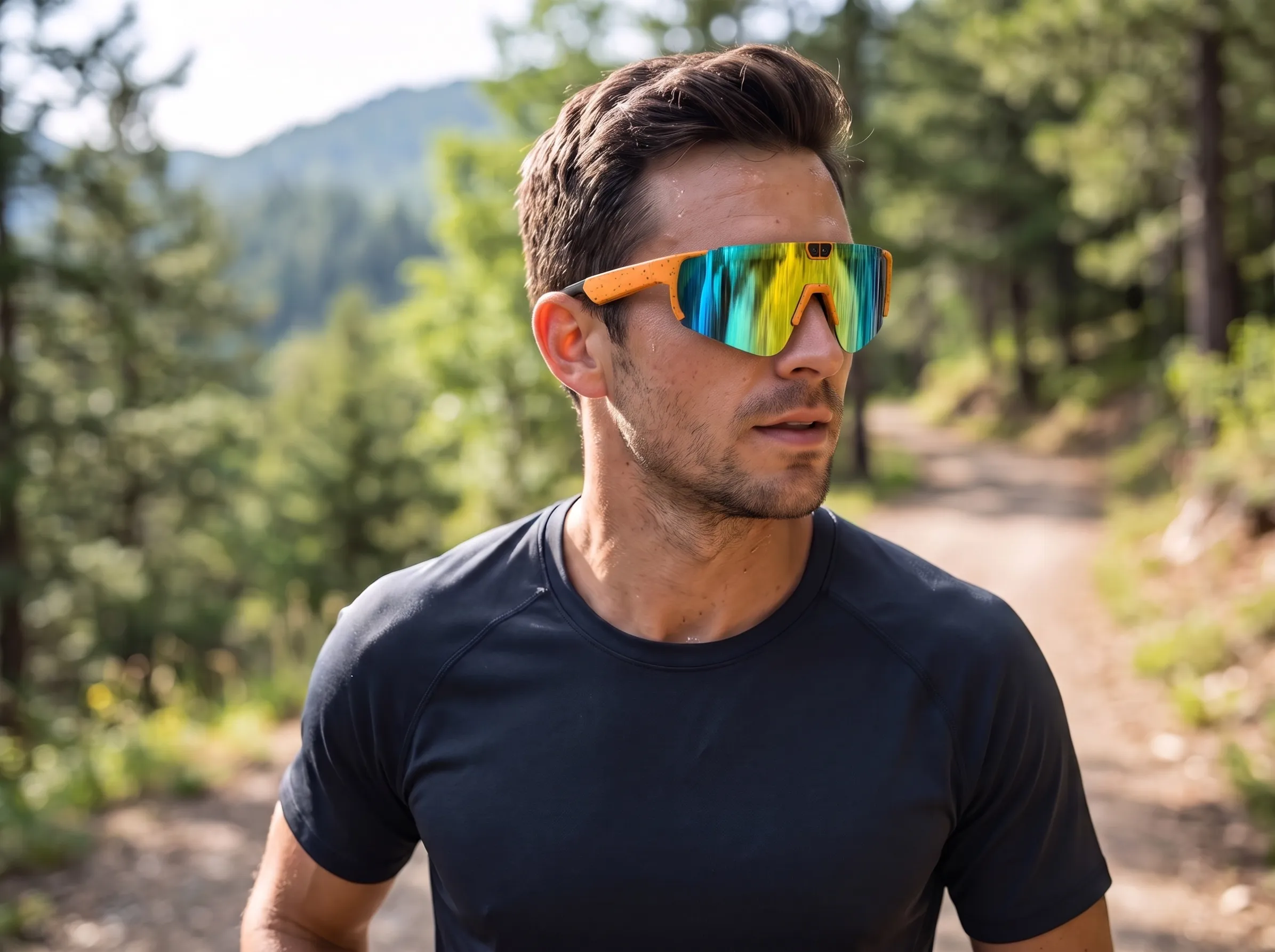
Depending on the frame design and the supplier's capabilities, brands may be able to select custom colors, surface finishes, or decorative patterns. A matte finish can create a more understated appearance, while glossy coatings or patterned surfaces may suit a fashion-oriented product. Pantone references can help communicate color requirements, although the final appearance should always be checked against physical samples.
Logo placement also deserves careful consideration. A logo on the temple arm may be more visible, while a smaller mark on the inner frame can maintain a cleaner exterior design. Common branding methods include pad printing, silk-screen printing, and laser engraving. The available options depend on the frame material, surface shape, logo complexity, and order quantity.
Not every decoration method is suitable for every frame. Printing and coatings should be checked for adhesion and durability, particularly on surfaces exposed to skin contact, sweat, sunscreen, and frequent handling. Brands should approve the finish using samples made from the actual production material rather than relying solely on digital mockups.

Lens Options Can Change the Product's Use Case
The same electronic platform may support different lens configurations, allowing brands to target multiple customer groups without changing the core hardware.
Clear lenses may be suitable for indoor or everyday use, while polarized lenses are often preferred for outdoor environments where glare reduction is important. Photochromic lenses adjust their tint in response to changing light conditions. Electrochromic lenses use electrical control to change tint and can provide an additional selling point when the existing platform supports this function.
Prescription options require additional planning. Some frames can accommodate prescription lenses directly, while others use removable prescription inserts. Buyers should confirm the supported lens dimensions, fitting method, and compatibility with local optical services before selecting this option.
Lens-related marketing claims should also be handled carefully. Terms such as UV400, polarized, blue-light filtering, and photochromic describe different properties and should be supported by appropriate test information. An attractive lens specification in a product listing does not automatically guarantee that the finished product performs as claimed.
Make the First Pairing Feel Like Your Brand
When customers connect smart glasses to a smartphone, the Bluetooth device name becomes part of the initial setup experience. A generic factory name can make an otherwise branded product feel unfinished.
On some platforms, suppliers can customize the Bluetooth device name through firmware configuration. This is generally a smaller customization than developing a new companion app or changing the electronics, but its availability should be confirmed with the supplier before production.
The pairing name is only one part of the overall user experience. Buyers should also check the companion app name, setup instructions, language support, and whether the product uses a shared application or a brand-specific one. Changing the Bluetooth name does not automatically mean that the entire software experience can be branded.
Any firmware modification should be reviewed with the supplier to confirm that it will not interfere with other functions or the existing product configuration. Even when a change appears minor, brands should confirm whether it has any implications for product testing or existing certifications.

Packaging and Accessories Are Often Easier to Adapt
Packaging provides another opportunity to differentiate a private-label product without modifying the glasses themselves.
Customization options may include branded color boxes, carrying cases, cleaning cloths, pouches, and printed quick-start guides. These details can help position the product for retail shelves, online stores, or gift-oriented sales channels.
Before finalizing the packaging artwork, buyers should confirm the required product information, warnings, language requirements, and barcode format for the destination market. Packaging must also provide sufficient protection for the glasses and accessories during transportation. A premium-looking box offers little value if it allows the frame or lenses to be damaged in transit.
Accessory selection should be based on the actual product design. For example, a carrying case must accommodate the frame without putting pressure on the lenses, hinges, or controls. Samples should be packed and inspected before the final packaging design is approved.
Know Where Customization Stops
Private labeling works best when the existing hardware platform remains largely unchanged. Some modifications are relatively straightforward, while others can affect the product's technical configuration and require additional engineering work.
Changes that generally need closer review include:
Frame structure: Altering hinge positions, frame dimensions, or camera openings may require new tooling or affect component fit and assembly.
Electronics and antenna layout: Moving a PCB, antenna, or flexible cable can affect wireless performance and may require additional testing.
Battery configuration: Changing the battery type, capacity, or enclosure can affect charging behavior, product safety, and transportation documentation.
Camera and sensor placement: Modifying openings or component positions may affect image quality, sensing performance, or mechanical assembly.
These are not simply cosmetic changes. Before approving them, brands should ask the supplier what engineering work is required and whether existing test reports or certifications remain applicable. The answer depends on the specific product, the nature of the modification, and the markets where the product will be sold.
Confirm the Customization Scope Before Ordering
A practical starting point is to request a customization list from the supplier and divide the options into three categories:
- Available on the existing platform: Changes that can be made without modifying the core hardware.
- Requiring engineering review: Modifications that may affect firmware, compatibility, performance, or testing.
- Requiring new tooling or hardware development: Structural or electronic changes that involve additional development costs and time.
Once the scope is clear, request samples that reflect the intended configuration. Evaluate the frame finish, lens performance, logo quality, Bluetooth pairing process, app experience, and packaging together. A product that looks right in a digital mockup may still need adjustments when all customized elements are combined.
Private-label smart glasses give brands an opportunity to develop a recognizable product without taking on all the costs associated with designing new hardware. The most effective approach is to prioritize the changes customers will notice, confirm what the existing platform can support, and evaluate structural or electronic modifications carefully before committing to additional costs.
A well-defined customization plan keeps the project manageable and helps brands deliver a product that feels distinctive without making promises the underlying hardware cannot support.
Every brand has its own market needs. We support a range of private - label smart glasses customizations, helping you create a product that fits your brand identity and target customers. Get in touch to discuss your requirements.