News & Insights
How to Build a Smart Gadget Portfolio Around Real Customer Needs
A product catalog can look impressive on paper and still be difficult to sell. A gadget may offer a wide range of features, but if customers cannot see how they would use them in everyday life, it may spend more time on the shelf than in their hands.
Smart glasses are a good example. Some customers want sunglasses with convenient audio for commuting or outdoor activities. Others want to capture photos and videos from their own point of view without holding a phone. Although these products share a similar form factor, they address different customer needs and should not necessarily be positioned as variations of the same product.
For distributors and brand owners, the challenge is to build a product range that serves different customer groups without filling the warehouse with products that compete for the same buyers.
Start with the Everyday Use Case
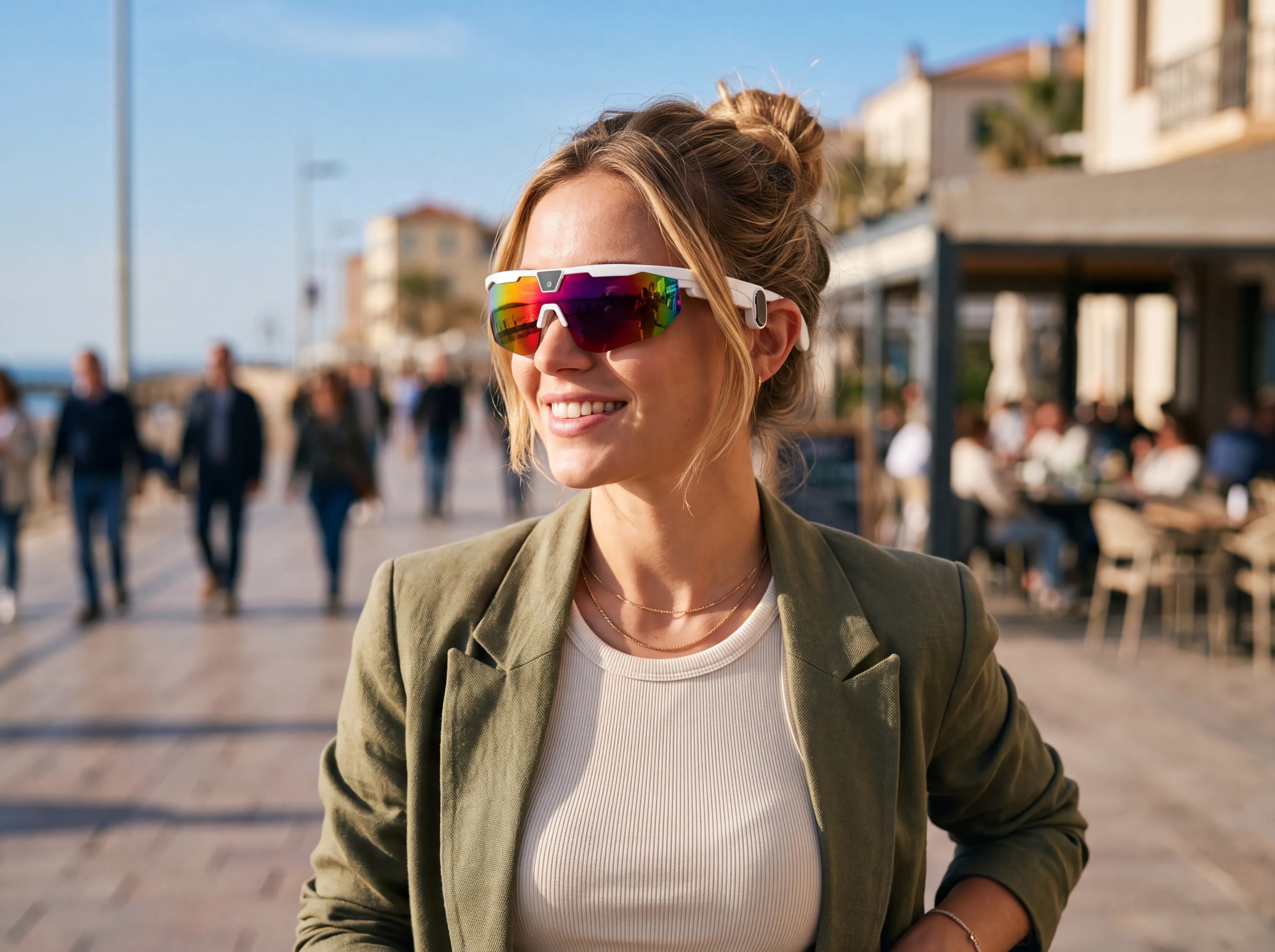
Audio smart glasses are often a straightforward starting point for retailers. They combine eyewear with open - ear audio, allowing users to listen to music and take calls without wearing traditional in - ear earbuds.
This combination may appeal to commuters, travelers, and people who spend time outdoors. It also gives retail staff a simple way to demonstrate the product. Customers can try on the frame, experience the audio, and test the available controls.
However, everyday usability is essential. Frame fit, sound leakage, microphone performance, battery life, and control placement can all influence whether customers continue wearing the glasses after purchase. Open - ear audio may help users remain more aware of their surroundings, but it does not guarantee that they will hear every environmental sound. Retailers should avoid presenting it as a substitute for paying attention to traffic and other potential hazards.
Within a product portfolio, audio glasses can serve customers looking for a practical everyday accessory rather than a recording device. This makes them a suitable option for lifestyle, travel, and gift - oriented retail channels.
Camera Glasses Serve a Different Need
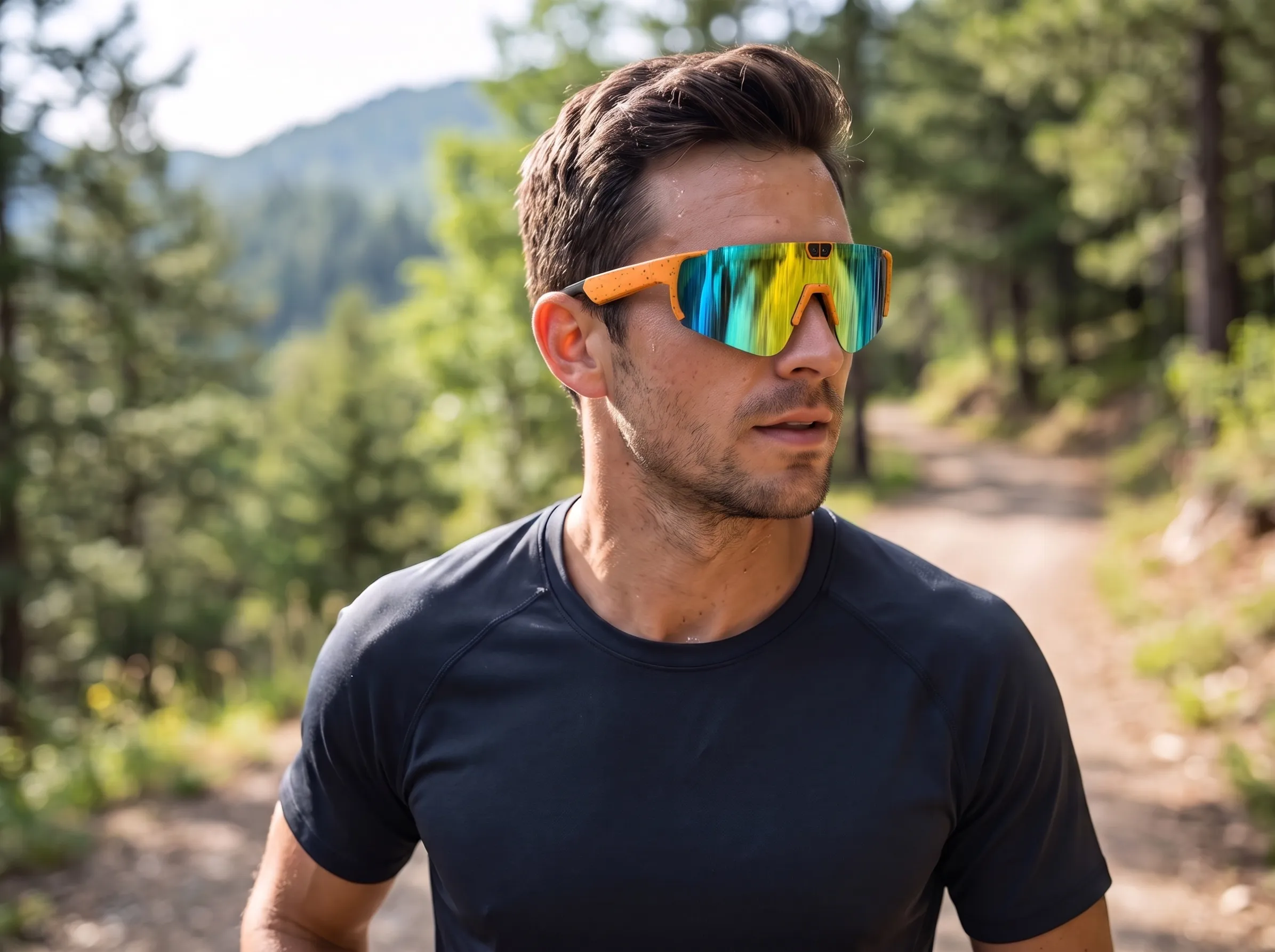
Adding a camera changes the product's primary appeal. Rather than focusing mainly on listening and calls, camera glasses allow users to capture photos and videos from their own point of view.
This can be useful when someone wants to record a hands - on activity, capture travel moments, or create short first-person videos without holding a phone. The experience differs from using a handheld camera, although camera glasses will not replace a smartphone or action camera in every recording situation.
The additional hardware also introduces more factors for buyers to evaluate. These include video quality, recording controls, file storage, transfer speed, and performance during extended use. Camera functions can affect battery runtime and product weight, so buyers should evaluate these factors together using a working sample.
For retailers, camera glasses are easier to position when customers already have a clear reason to record hands - free content. Outdoor enthusiasts, travelers, and casual content creators may be more interested in these products than shoppers looking only for audio eyewear.
Rather than treating camera glasses as a simple upgrade to an audio model, distributors should position them as a separate product category designed to address a different customer need.

Build the Range Around Distinct Roles
A two - tier smart glasses portfolio does not need to follow a fixed budget allocation. The right product mix depends on the retailer's customer base, sales channels, and ability to demonstrate the products effectively.
Audio glasses may be better suited to stores where customers are looking for wearable accessories or practical gifts. Camera glasses may be a stronger fit for electronics, outdoor, and creator-focused channels, where shoppers are more likely to ask about recording quality and file transfer.
Before deciding on order quantities, buyers should compare the products using several practical questions:
Who is most likely to buy each product? Identify the target customer instead of relying on broad categories such as "technology users."
What can retail staff demonstrate? Audio models need a clear demonstration of listening and call performance, while camera models require practical demonstrations of recording and file transfer.
What could lead to product returns? Comfort issues, confusing controls, app compatibility, unrealistic battery expectations, and misunderstood features should all be evaluated before launch.
How much overlap exists between the products? If two models appeal to the same customers and offer similar benefits, their positioning may need to be more clearly differentiated.
Can the sales channel support the product? Camera glasses may require more customer education and after-sales support than simpler audio models.
Starting with a small order or a sample - based market trial can help validate demand before committing to larger quantities. Retailer and customer feedback should then guide adjustments to the product mix rather than relying on a fixed allocation that may not work across different markets.

Keep Lens Options in the Portfolio Conversation
Lens configuration can also influence how and when customers use smart glasses.
Polarized sunglasses may be suitable for outdoor environments where glare reduction is important. Clear lenses can make a frame more practical for indoor or everyday use, while photochromic lenses change tint in response to light conditions. Electrochromic lenses use electrical control to adjust their tint and are available on selected product platforms.
These lens technologies are not interchangeable, and each should be evaluated according to its intended application. Buyers should confirm the actual lens specifications and test the finished product rather than assuming that every frame supports every lens configuration.
Offering different lens options can help brands extend an existing product platform to serve multiple customer groups. It may also reduce the need to introduce an entirely different frame for every use case, provided the supplier can support the required configurations.
Let Customer Feedback Shape the Next Order
A smart glasses portfolio should evolve through actual sales performance and customer feedback. The first order can help identify which features customers understand quickly, which questions retail staff hear most often, and what causes hesitation during the purchasing process.
For audio glasses, feedback may focus on comfort, sound quality, call performance, and frame styling. For camera glasses, customers may be more concerned about image quality, recording controls, storage capacity, and the process of transferring files.
These observations are more valuable than relying on a predetermined ratio between different product types. They can help distributors make better decisions about reorder quantities, lens configurations, packaging, and whether to introduce or discontinue particular models.
The goal is not to stock every possible smart eyewear configuration. It is to build a focused, easy - to - understand range in which every product has a clear purpose. When a product addresses a genuine customer need and retailers can demonstrate its value honestly, the portfolio becomes easier to merchandise, easier to sell, and easier to refine over time.