News & Insights
AI Smart Glasses for Retailers: Which Features Solve Real Customer Problems?

AI smart glasses can be easy to demonstrate in a store. A customer tries taking a photo without reaching for a phone, hears a voice response, or sees a translation feature in action. The harder question comes later: will that customer continue using the glasses after the novelty wears off?
For retailers, this matters more than the number of features listed on the box. A product needs to fit into familiar routines, and its benefits should be clear without requiring a lengthy technical explanation.
A Camera Is Useful Only If the Process Is Simple
Hands-free recording is one of the most straightforward reasons to consider camera smart glasses. Travelers may want to capture a street scene, while hobbyists may prefer recording an activity without holding a phone. The glasses offer a first-person perspective, although the footage may not suit every type of video.
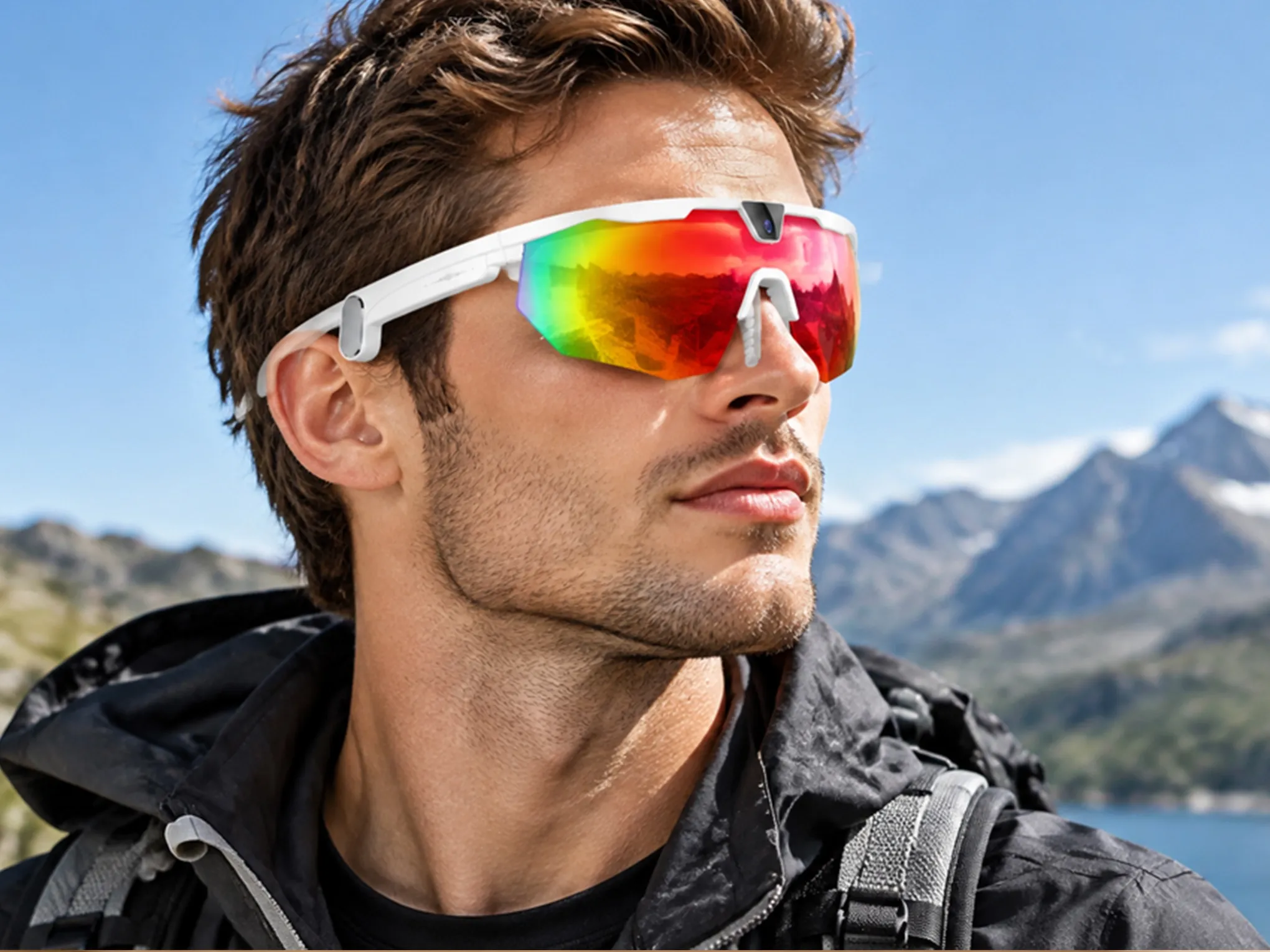
The CA-27S has an 8MP camera, 4GB of internal storage, and Wi-Fi file transfer. Customers can record content and transfer it to a phone later. During a product demonstration, retailers should show the entire process rather than focusing only on the camera. How quickly can a user start recording? Where are the files stored? Is transferring them to a phone straightforward?
These details can influence the buying experience as much as the camera specifications. Buyers should test video quality and transfer speed on the actual device before making a bulk purchase. An impressive demonstration is less useful if customers struggle to find their recordings afterward.
Will Customers Want to Wear Them Every Day?
A pair of smart glasses may look suitable on a display stand but feel different after an hour of use. Frame fit, pressure around the temples, nose-pad comfort, and weight distribution are worth checking in person. No single frame design fits everyone, so sample testing can reveal issues that a specification sheet cannot.
Battery claims also need context. The CA-27S has a 290mAh battery and approximately eight hours of specified music playback. That figure should not be treated as the expected runtime when recording video or using AI functions. These activities place different demands on the device.
Retailers should test the functions customers are most likely to use together. For example, a short recording session followed by audio playback and file transfer can provide a more realistic picture than testing each function separately. USB-C charging is convenient, but charging time and battery performance during mixed use are still worth confirming.
AI Features Need to Work Beyond the Demo
The CA-27S supports object recognition, voice-based questions, and translation. These functions may appeal to travelers and customers who want information without constantly handling their phones. The device also includes dual microphones with ENC noise reduction.
However, a feature that works during a product demonstration does not guarantee the same experience in every situation. Translation performance can vary depending on the language pair, while voice interaction may be affected by background noise, connectivity, or app requirements. Retailers should test the functions in different settings and check which features require a phone or an internet connection.
Outdoor protection deserves the same practical approach. The CA-27S is specified with an IP66 rating and glue-sealed construction. Buyers should request the relevant test documentation and confirm what the rating covers before making claims to customers. A protection rating should not be presented as a guarantee against every type of exposure or damage.
Before Placing an Order
The best way to evaluate smart glasses is to use them as a customer would, rather than simply reviewing the feature list. A short trial can reveal whether the controls feel intuitive, whether the frame remains comfortable, and whether the companion app creates unnecessary friction.
Packaging and after-sales arrangements also deserve attention. Retail staff need a simple explanation of the main functions, while customers need clear instructions for setup, file transfer, and troubleshooting. Buyers should confirm app compatibility, firmware support, warranty terms, and applicable compliance documentation before committing to an order.
The CA-27S combines recording, file transfer, open-ear audio, and AI functions in one pair of glasses. Whether this combination makes sense for a retailer depends on the target customer and the experience the product can deliver in everyday use.
Rather than trying to sell every feature at once, retailers can start with one clear use case and let customers try it themselves. This gives customers a more realistic basis for evaluating the product and helps retailers set expectations that the glasses can actually meet.