Aug 13, 2026News & Insights
Emotion-Aware AI Toys: How Face and Voice Cues Are Changing Interactive Play
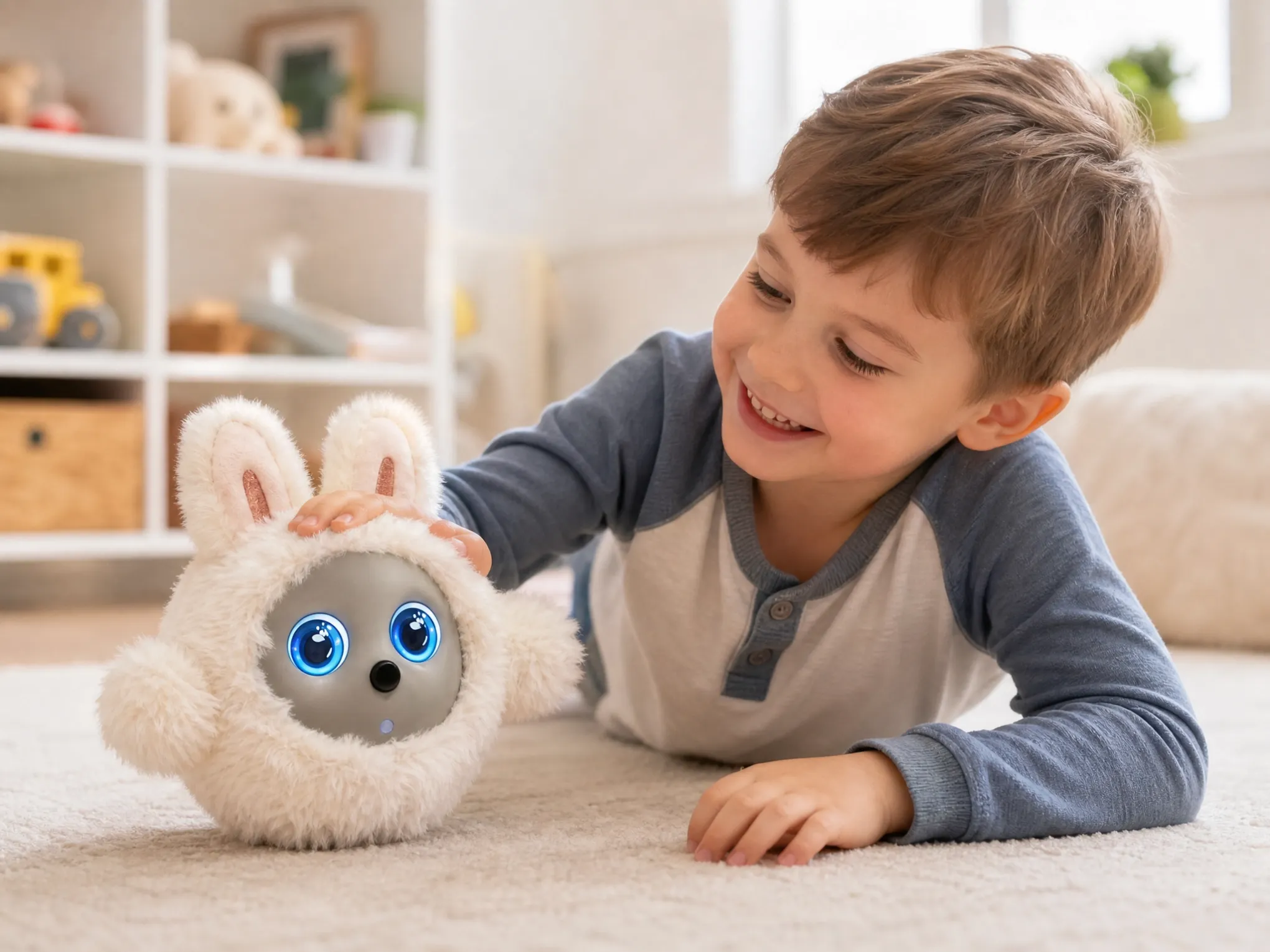
Recently, emotion-aware AI toys have moved beyond simple voice playback and keyword responses. At Spielwarenmesse 2026, manufacturers increasingly showcased AI companion toys capable of combining voice, visual, and physical interactions to create more engaging experiences for children (PR Newswire, Jan 2026). Rather than responding to a single command, these next-generation toys are designed to interpret multiple contextual cues and generate more natural conversations. For OEM buyers and distributors, this shift represents not only a product upgrade but also a new set of engineering and compliance considerations.
The Technology Behind Emotion-Aware Interaction: Combining Face, Voice, and Touch
Emotion-aware interaction does not require a toy to "understand" human emotions in the way people do. Instead, it relies on combining multiple input signals, such as voice, facial cues, touch, and movement, to generate responses that better match the current situation.
For example, a child may speak to the toy while holding it, smiling at it, or picking it up from a table. By combining information from cameras, microphones, and onboard sensors, an AI system can determine whether someone is interacting with the toy, maintain conversational context, and respond in a way that feels more natural than a simple voice assistant.
Supporting this type of multimodal interaction places significantly greater demands on embedded hardware than traditional voice-only toys. Camera processing, voice recognition, sensor fusion, and AI inference often need to operate simultaneously without interrupting the user experience.
One implementation of this engineering approach is reflected in our TA-02 AI companion platform. Instead of relying solely on voice input, it integrates multiple sensing capabilities - including camera, voice, and touch interaction, to support richer contextual awareness during conversations. The objective is not simply to recognize commands, but to create interactions that feel continuous and responsive as children naturally play with the toy.

Localized AI Models Matter as Much as Hardware
Hardware alone cannot deliver a consistent AI experience across global markets. Language preferences, cloud infrastructure, and regional compliance requirements all influence how AI companion toys should be deployed.
Manufacturers are increasingly adopting localized AI deployment strategies rather than relying on a single large language model worldwide. This approach allows products to optimize response quality, reduce latency, and better support local languages and cultural expectations.
Our TA-02 platform follows the same engineering philosophy by supporting different AI models for different markets, enabling overseas deployments with ChatGPT while supporting alternative large language models for China. Rather than requiring separate hardware platforms, this flexible AI architecture allows OEM partners to localize user experiences while simplifying international product planning.
Recent industry investment also reflects growing confidence in AI companion technologies. Tuya Smart's strategic investment in RoboPoet highlights increasing industry attention toward AI-powered companion devices and multimodal interaction (Pulse 2.0, July 2026), suggesting that emotion-aware AI is becoming an important direction for future smart toy development.
Building Trust: Safety and Compliance for Emotion-Aware AI Toys
As AI companion toys become more interactive, compliance extends beyond traditional mechanical safety. Products that process voice, images, or other user interactions must also consider cybersecurity, privacy protection, and children's well-being.
The EU Toy Safety Regulation (Regulation (EU) 2025/2509) expands manufacturers' responsibilities for connected toys by requiring more comprehensive safety assessments throughout product development (EUR-Lex, November 2025). For AI-enabled toys, this includes evaluating potential risks associated with digital technologies alongside conventional physical safety requirements.
For OEM buyers, selecting suppliers with established international compliance capabilities can significantly reduce certification risks when entering overseas markets. Depending on the destination market, manufacturers may need certifications such as CE-RED, CE RoHS, FCC-ID, UL, TELEC, KC, or PSE to satisfy local regulatory requirements.
Compliance should also be viewed as an ongoing engineering process rather than a one-time certification milestone. As AI models continue to evolve through software updates, manufacturers should ensure that connected toys maintain appropriate security controls and data protection practices throughout the product lifecycle.
The Buyer's Playbook: Evaluating Emotion-Aware AI Toy Suppliers
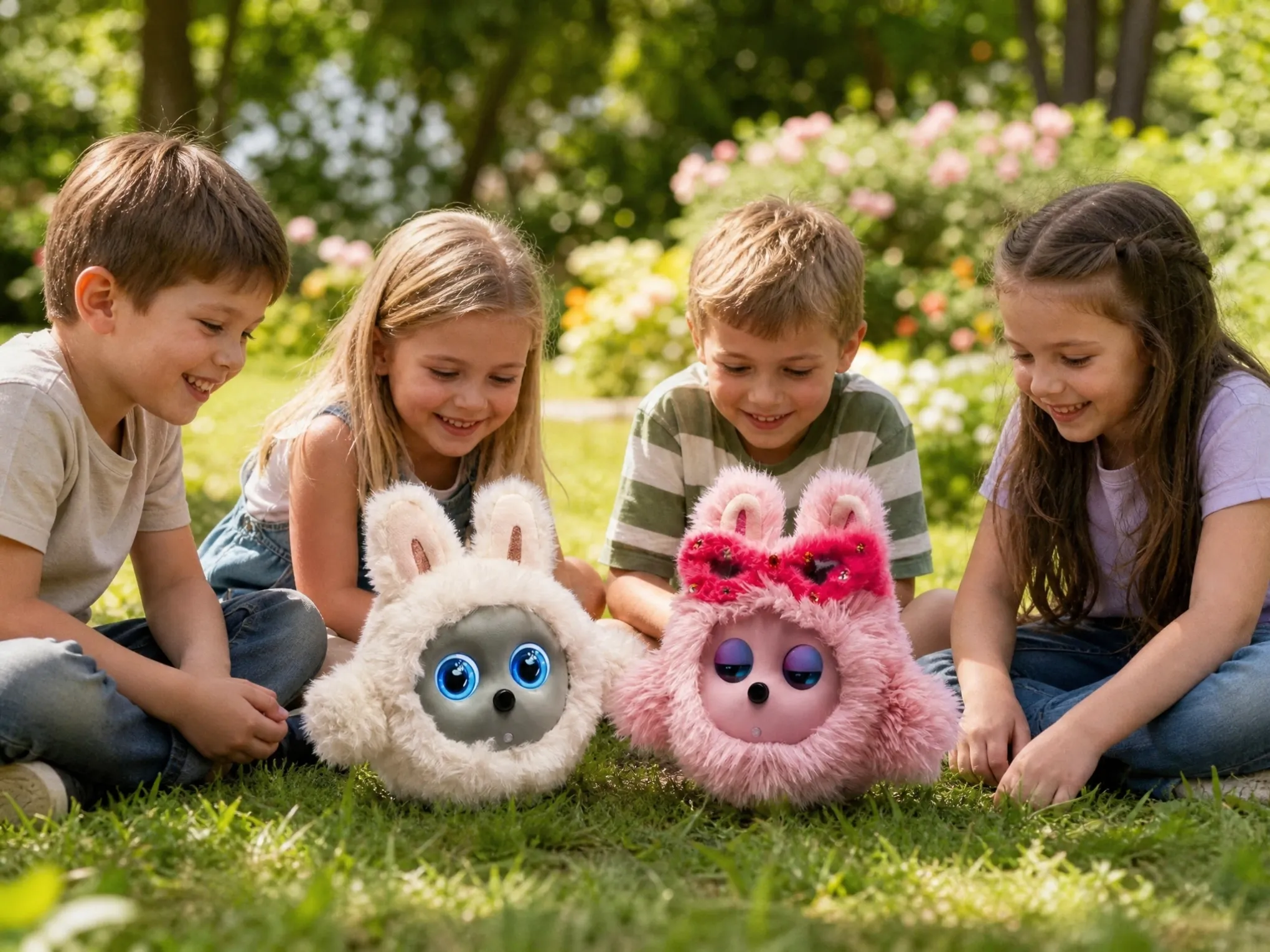
When sourcing emotion-aware AI toys, buyers should look beyond feature lists and focus on the overall system architecture.
First, evaluate whether the product combines multiple sensing methods instead of relying exclusively on voice interaction. Multimodal sensing generally provides more context-aware and engaging AI experiences.
Second, understand the supplier's AI deployment strategy. Products that support localized AI models are often better positioned to deliver consistent performance across different regions while adapting to varying cloud infrastructures and language requirements.
Third, review the supplier's compliance readiness. Beyond verifying certifications, buyers should confirm that the manufacturer has experience addressing evolving requirements for connected toys, including cybersecurity, privacy protection, and software maintenance.
Finally, consider the long-term scalability of the platform. As AI companion toys continue to evolve, selecting hardware designed to accommodate future software and AI model updates can help extend product lifecycles and reduce redevelopment costs.
For distributors and OEM partners, the future of interactive play is no longer defined by voice alone. Emotion-aware AI toys are increasingly built around multimodal interaction, localized intelligence, and responsible product design. Buyers who evaluate these capabilities holistically will be better positioned to deliver connected toys that meet both market expectations and evolving global compliance standards.
Looking for AI Plush Toys for wholesale, retail, or private-label projects? Penease Tech supports OEM/ODM customization, packaging, branding, and product selection for different market channels. Contact us for product details or sourcing support.