News & Insights
Capturing Life in First-Person: How AI Camera Glasses Are Tapping into the Creator Economy
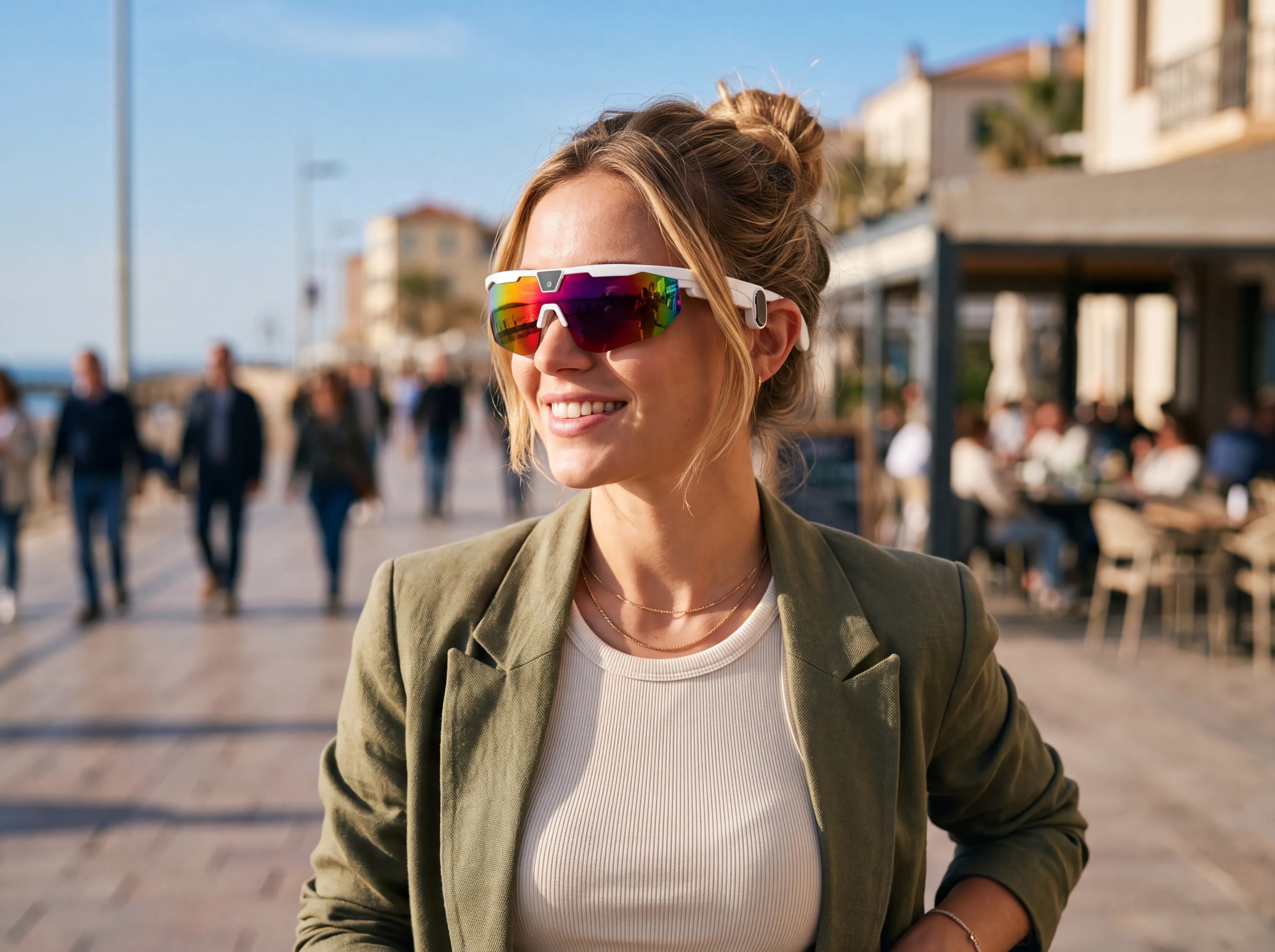
Short-form videos have made first-person POV content a familiar format on TikTok, Instagram Reels, and YouTube Shorts. For creators who film while traveling, cycling, or working on hands-on projects, keeping both hands free can make a real difference. Smartphones are not always convenient, while traditional action cameras may require additional mounts or accessories.
AI camera glasses offer a convenient way to record everyday moments from the wearer's perspective. For importers, distributors, and brand owners, the challenge is finding a model that delivers useful footage without compromising comfort, reliability, or ease of use.
Image Stabilization: More Than Camera Resolution
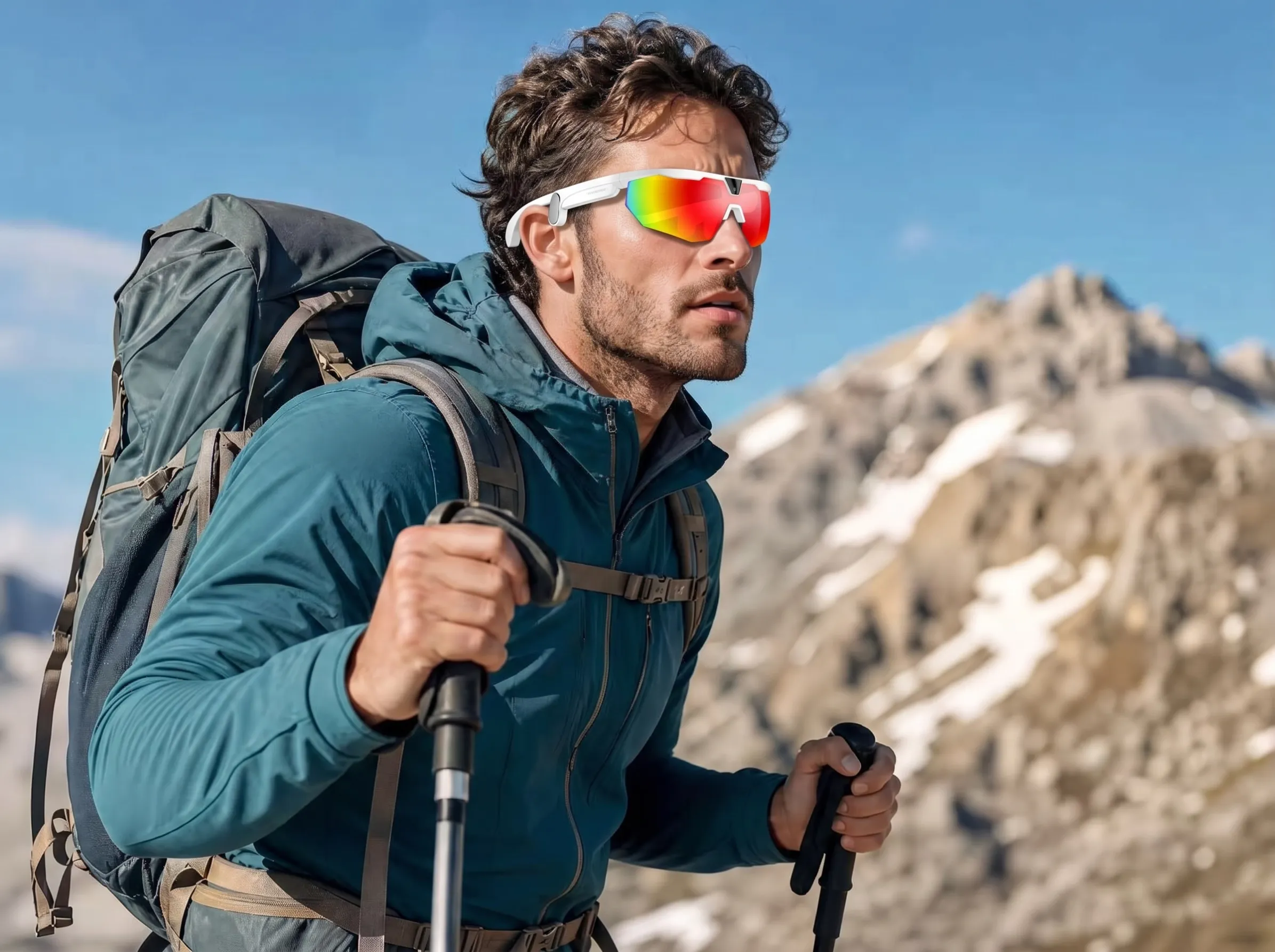
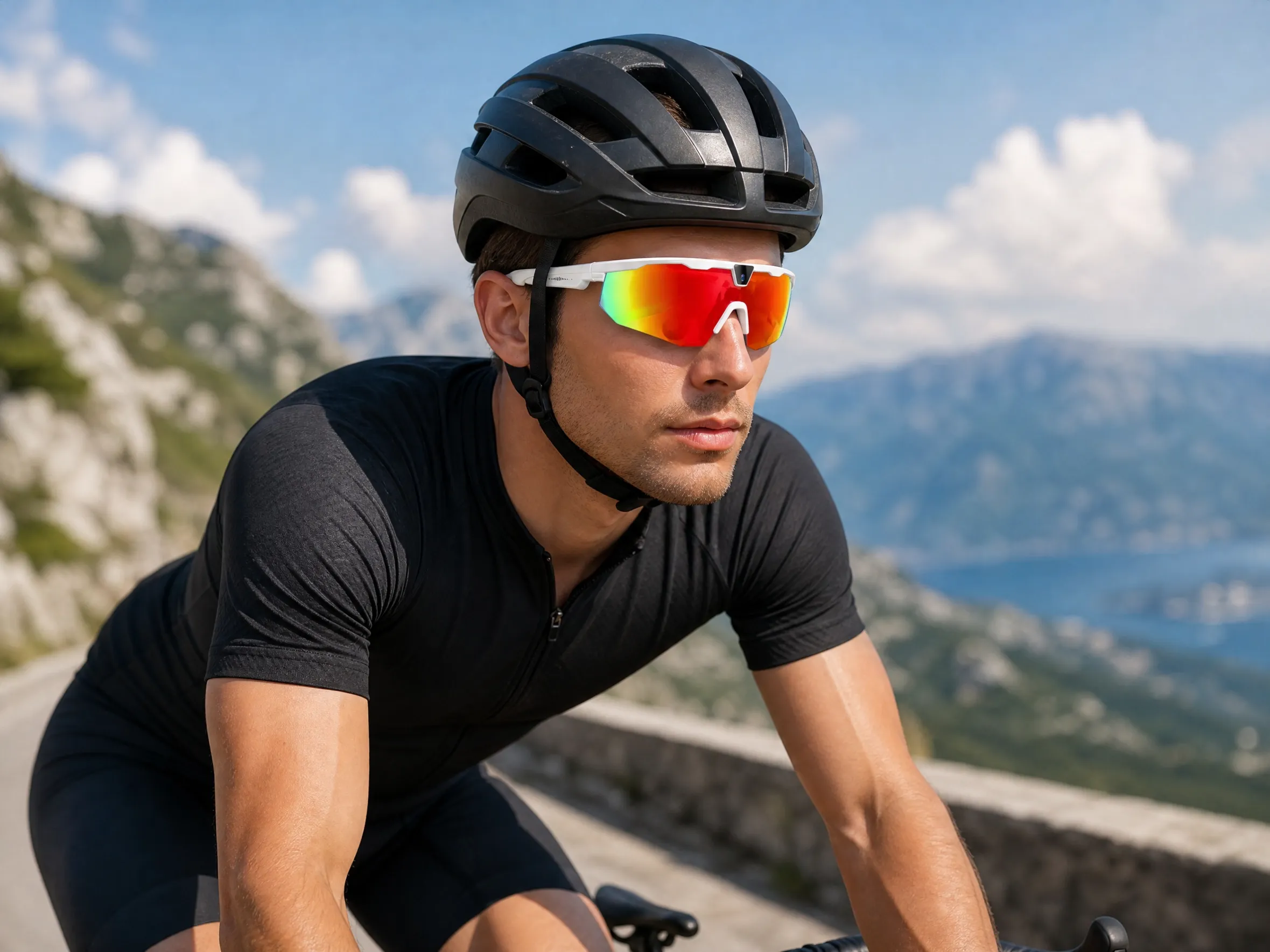
Recording from the wearer's perspective presents a practical challenge: the camera moves whenever the wearer does. Walking, cycling, and riding over uneven surfaces can introduce camera shake, while fast movement may also cause motion blur or rolling-shutter distortion.
The CA-27S combines an 8MP camera with a 3D six-axis gyroscope and Electronic Image Stabilization (EIS). It also supports high-resolution photos of up to 32MP. These specifications provide a starting point for buyers comparing wearable camera stabilization technologies, but they do not tell the whole story.
Before placing an order, request sample footage and test the product under realistic conditions. Check whether moving subjects remain clear, how much the image shakes on uneven roads, and whether stabilization noticeably crops the frame. For AI camera glasses wholesale buyers, actual recording performance matters more than the number of features listed on a specification sheet.
Storage, File Transfer, and Outdoor Use
Creators need to do more than record videos; they also need to retrieve and use the footage. The CA-27S has 4GB of internal storage and supports Wi-Fi transfer of photos, videos, and audio recordings. This allows users to record content locally and transfer files to a phone when needed.
Buyers should check the usable storage capacity, transfer speed, and ease of accessing files through the companion app. Longer recording sessions are also worth testing, particularly if the product is intended for travel or outdoor activities.
Weather protection deserves similar attention. The CA-27S is specified with an IP66 rating and features a glue-sealed construction. However, buyers should request supporting test documentation and confirm whether the product is suitable for their intended operating conditions. An IP rating does not automatically establish resistance to every form of prolonged sweat exposure, material degradation, or wear.
Audio performance is another consideration for POV smart glasses for content creators. The CA-27S includes dual microphones with ENC noise reduction and supports AI voice interaction. Sample testing should cover voice pickup, call clarity, and performance in noisy or windy environments. Open-ear audio may help users remain aware of surrounding sounds, but it cannot guarantee safety in traffic.
Finding the Right Market for Camera Glasses
Cycling retailers, outdoor equipment stores, travel-oriented businesses, and consumer electronics shops may all be potential sales channels for camera glasses. However, each serves different customer needs. A cycling-focused buyer may prioritize image stability and a secure fit, while a travel creator may place greater emphasis on recording convenience, translation, and file transfer.
Distributors should assess local demand, competing products, retail pricing, and after-sales requirements before expanding inventory. Product demonstrations can help customers understand the differences between ordinary audio glasses and camera-equipped models.
Privacy also deserves attention. Because camera glasses can record from a first-person perspective, buyers should review the recording controls, the presence of any visible recording indicator, and the applicable privacy requirements in each target market. A recording light can be a useful design feature, but it should not be treated as proof of legal compliance on its own.

What Buyers Should Check Before Ordering
Before committing to a bulk order, sourcing teams should evaluate four key areas:
- Video quality: Test stabilization, image clarity, and recording performance during movement.
- Everyday usability: Check fit, controls, battery performance, and the process of transferring files.
- Environmental protection: Review the supporting documentation for the IP66 rating and clarify the product's intended operating conditions.
- Market suitability: Confirm that the product's functions, price positioning, and privacy features match the needs of the target sales channel.
For distributors and brand owners, the value of AI camera glasses lies not simply in adding a camera to eyewear, but in making first-person recording convenient enough for everyday use. The CA-27S combines camera recording, stabilization features, Wi-Fi file transfer, and AI interaction, giving buyers a concrete product platform to evaluate against their customers' needs.