Aug 19, 2026News & Insights
AI Smart Glasses Compliance Guide: CE, RED & RoHS for the EU and FCC for the US
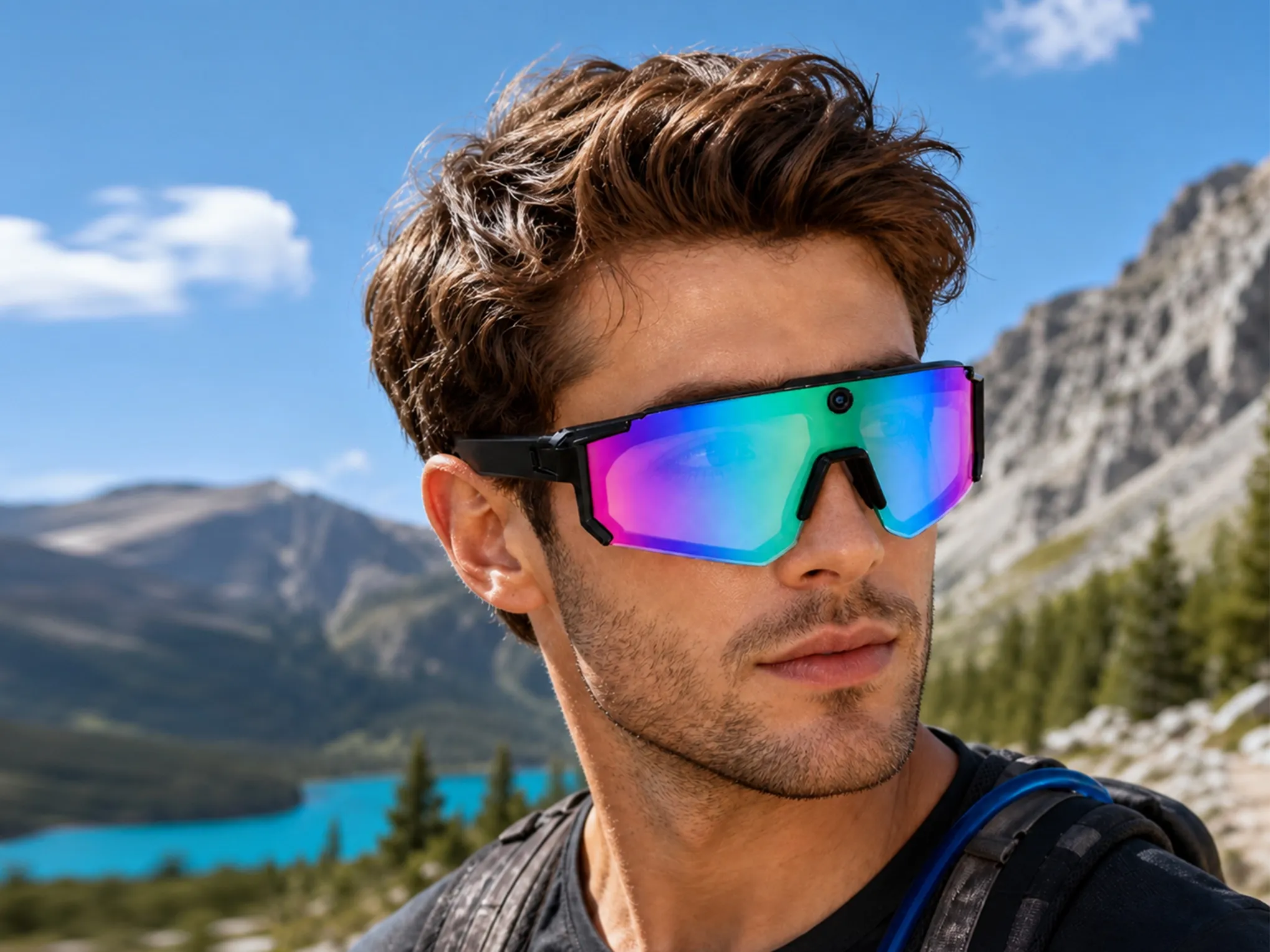
Sourcing managers and B2B hardware importers should not evaluate smart glasses based solely on attractive physical samples. Wireless eyewear combines radio communication, electronic components, batteries, and increasingly sophisticated software, creating several layers of compliance that need to be verified before mass production.
For buyers targeting the EU and US markets, the key areas include radio equipment requirements, hazardous-substance restrictions, FCC authorization, battery transportation, and supplier documentation.
The European Union Market: CE, RED, RoHS, and AI Requirements
Regulatory Standards
For smart glasses equipped with Bluetooth, Wi-Fi, or other wireless technologies, the Radio Equipment Directive (RED) 2014/53/EU is a key EU regulatory framework. It covers requirements relating to health and safety, electromagnetic compatibility, and the efficient use of radio spectrum. Depending on the product configuration, manufacturers may need to demonstrate compliance with relevant harmonised standards covering radio performance, EMC, and electrical safety (Radio Equipment Directives-2014/53, EUR-Lex, 22 May, 2014).
The RoHS Directive 2011/65/EU restricts ten substances in electrical and electronic equipment, including lead, mercury, cadmium, hexavalent chromium, certain flame retardants, and four phthalates. For B2B buyers, the important point is to verify the relevant material declarations and test reports rather than relying only on a supplier's general “RoHS certified” claim. (RoHS Directive 2011/65/EU – EUR-Lex, 1 July, 2011)
The EU AI Act (Regulation (EU) 2024/1689) may also become relevant to smart glasses with certain AI functions. From August 2, 2026, applicable transparency requirements include obligations concerning certain AI-generated or AI-mediated content and emotion-recognition systems. Whether a particular product is subject to a specific requirement depends on its AI functions and the role of the manufacturer, importer, provider, or deployer. (EU AI Act – Regulation (EU) 2024/1689 – EUR-Lex, 12 July, 2024)
B2B Sourcing Analysis
For procurement teams, CE compliance should be treated as a conformity and documentation process, not simply a request for a “CE certificate.”
Before placing an order, buyers should confirm which wireless technologies are used, which RED requirements apply, and whether the supplier can provide the relevant test reports and Declaration of Conformity. Material and component documentation should also be checked for RoHS compliance.
For connected smart glasses, buyers should additionally clarify whether the product's AI functions create any applicable obligations under the EU AI Act.
The United States Market: FCC and Battery Safety
Regulatory Standards
Wireless smart glasses sold in the US may be subject to FCC Title 47 CFR Part 15, depending on their radio technologies and configuration. Buyers should verify the authorization applicable to the finished product rather than assuming that certification of an individual Bluetooth or Wi-Fi module automatically covers the complete device (FCC Equipment Authorization Database)
Lithium batteries require separate consideration for international transportation. UN 38.3 testing is associated with the transport of lithium cells and batteries, while standards such as IEC 62133-2 may apply to battery safety depending on the product and destination market.
B2B Sourcing Analysis
A common sourcing mistake is accepting a supplier's statement that the wireless module is already “FCC certified” as sufficient proof of product compliance.
The final glasses may have different antenna configurations, FPC layouts, batteries, or other components from the tested configuration. Buyers should therefore compare the FCC authorization information with the actual production model and verify that the relevant authorization conditions remain applicable.
Battery documentation should also be checked against the physical sample, including the battery model, capacity, nominal voltage, and cell configuration.
The Buyer’s Compliance Checklist
Before signing a mass-production contract, B2B buyers should complete four basic checks:
1. Verify the actual product model.
Make sure the model number, wireless modules, antenna configuration, battery, and mainboard in the compliance documents match the product being ordered.
2. Check the Declaration of Conformity.
For EU-bound products, request the applicable EU Declaration of Conformity together with supporting technical documentation. Do not treat a generic “CE certificate” as sufficient evidence by itself.
3. Cross-check battery documentation.
Compare the battery specifications on the UN 38.3 and relevant safety documents with the battery installed in production samples.
4. Verify FCC authorization.
For US - bound products, search the FCC's official equipment authorization database and compare the authorization record with the supplier's model and technical configuration. (FCC Equipment Authorization – FCC)
5. Review software-related compliance where applicable.
If the smart glasses provide AI - generated content, emotion-related functions, or other regulated AI capabilities, buyers should ask suppliers how those functions are documented and maintained for the target market.
For B2B sourcing teams, effective compliance is not simply about collecting certificates. The goal is to establish a clear connection between the supplier, the tested product configuration, the actual production unit, and the requirements of the destination market. This verification process can help buyers identify documentation gaps before production and reduce avoidable compliance risks after shipment.
Looking for AI smart glasses for wholesale, retail, or private-label projects? Penease Tech supports OEM/ODM customization, packaging, branding, and product selection for different market channels. Contact us for product details or sourcing support.