Aug 26, 2026News & Insights
A Buyer's Guide to AI Smart Glasses and Plush Toys: Vetting Supplier Samples, QC, and MOQ
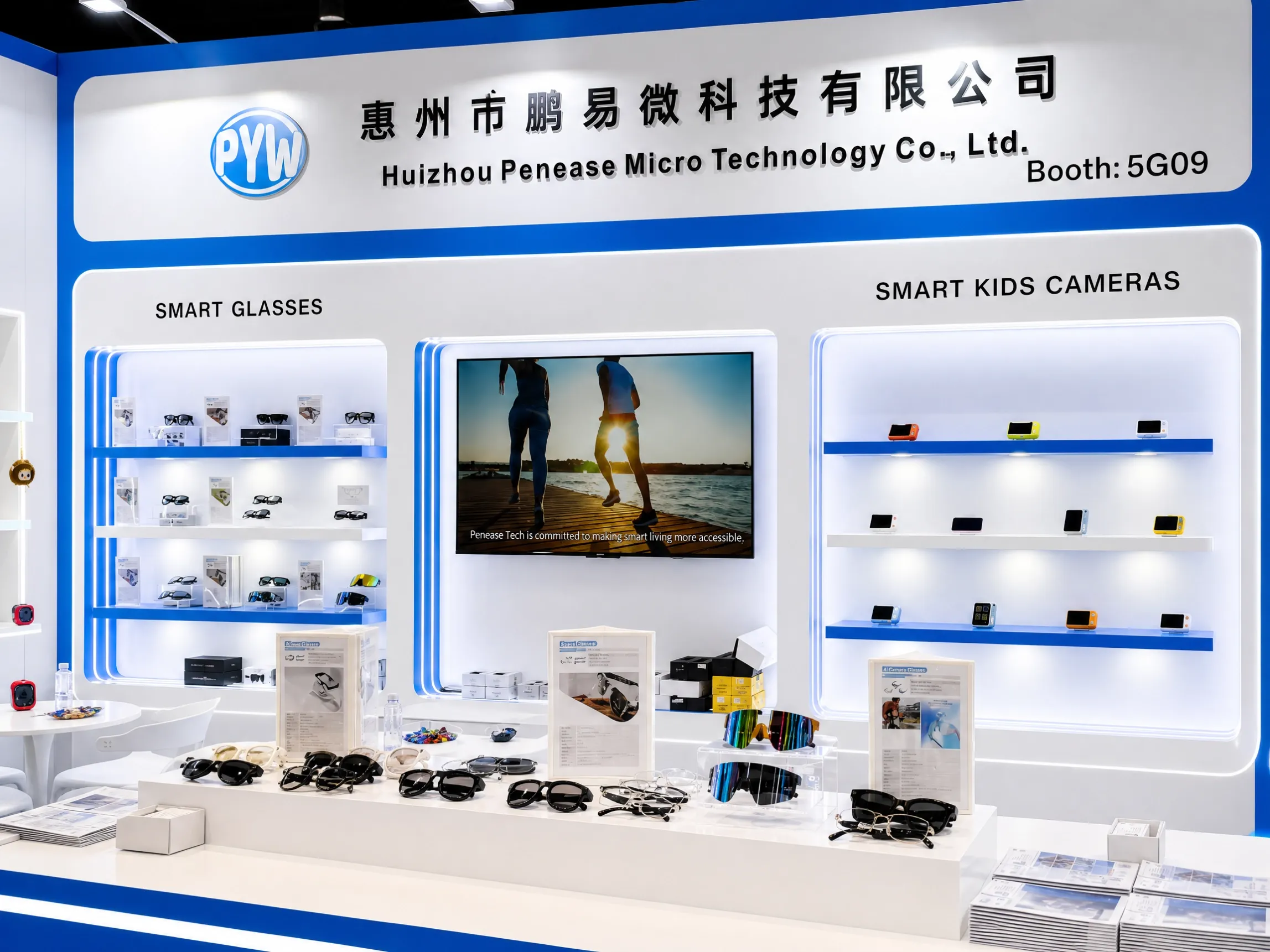
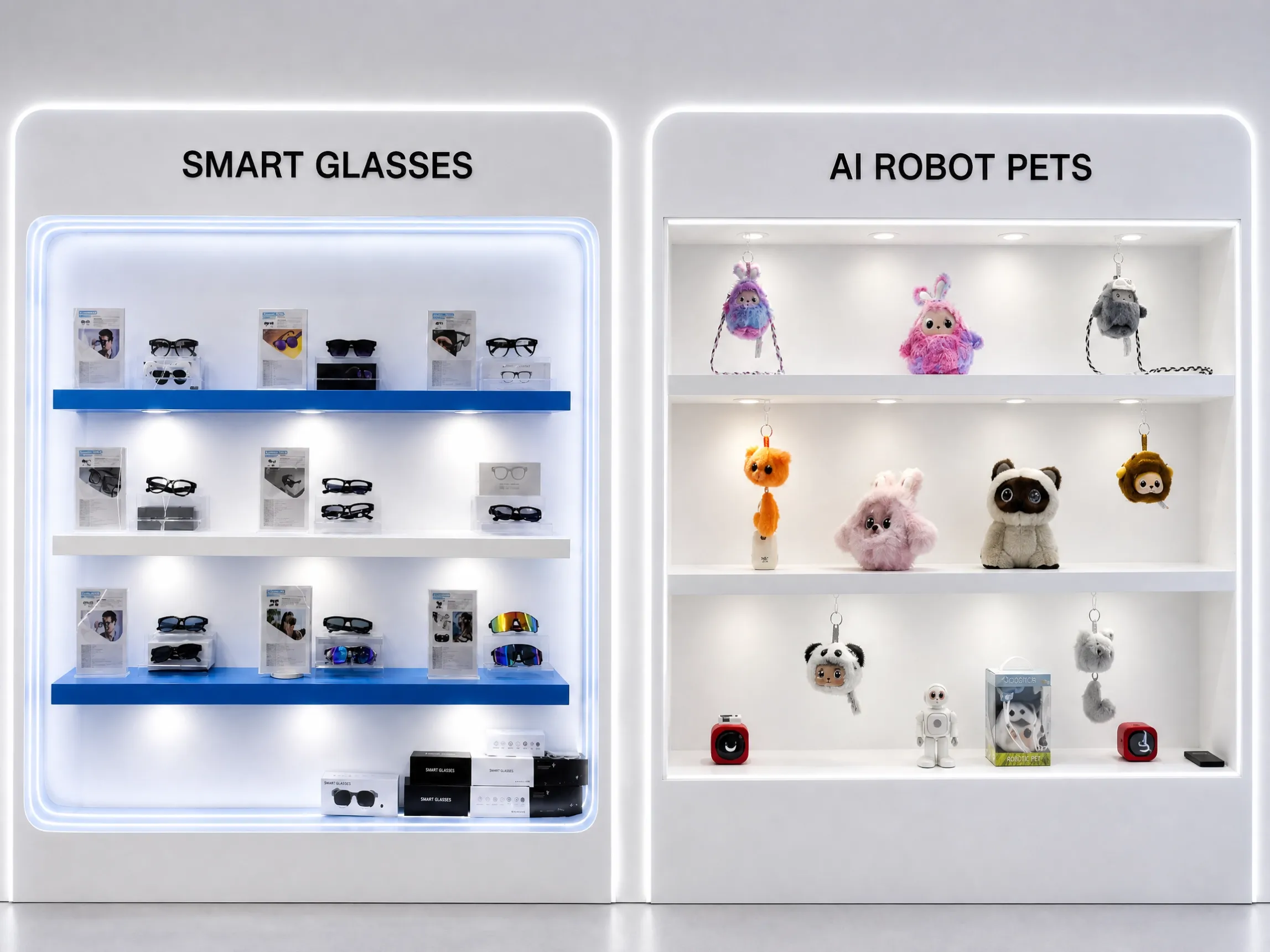
Sourcing AI smart glasses and interactive plush toys often involves more than simply selecting a product from a catalog. Different markets, target users, functions, packaging requirements, and levels of customization can all affect the sourcing process.
For B2B buyers, the challenge is not only finding a suitable product but also working with a supplier that can coordinate product selection, sampling, inspection, logistics, and follow-up throughout the project.
Our sourcing process supports customers from the initial product requirements through sample evaluation and into mass production.
A Structured Sample Process from Requirement to Delivery
Every sourcing project starts with understanding what the customer actually needs. Instead of simply recommending products from an existing catalog, we first clarify the target market, intended users, required functions, appearance preferences, customization requirements, and estimated order quantity.
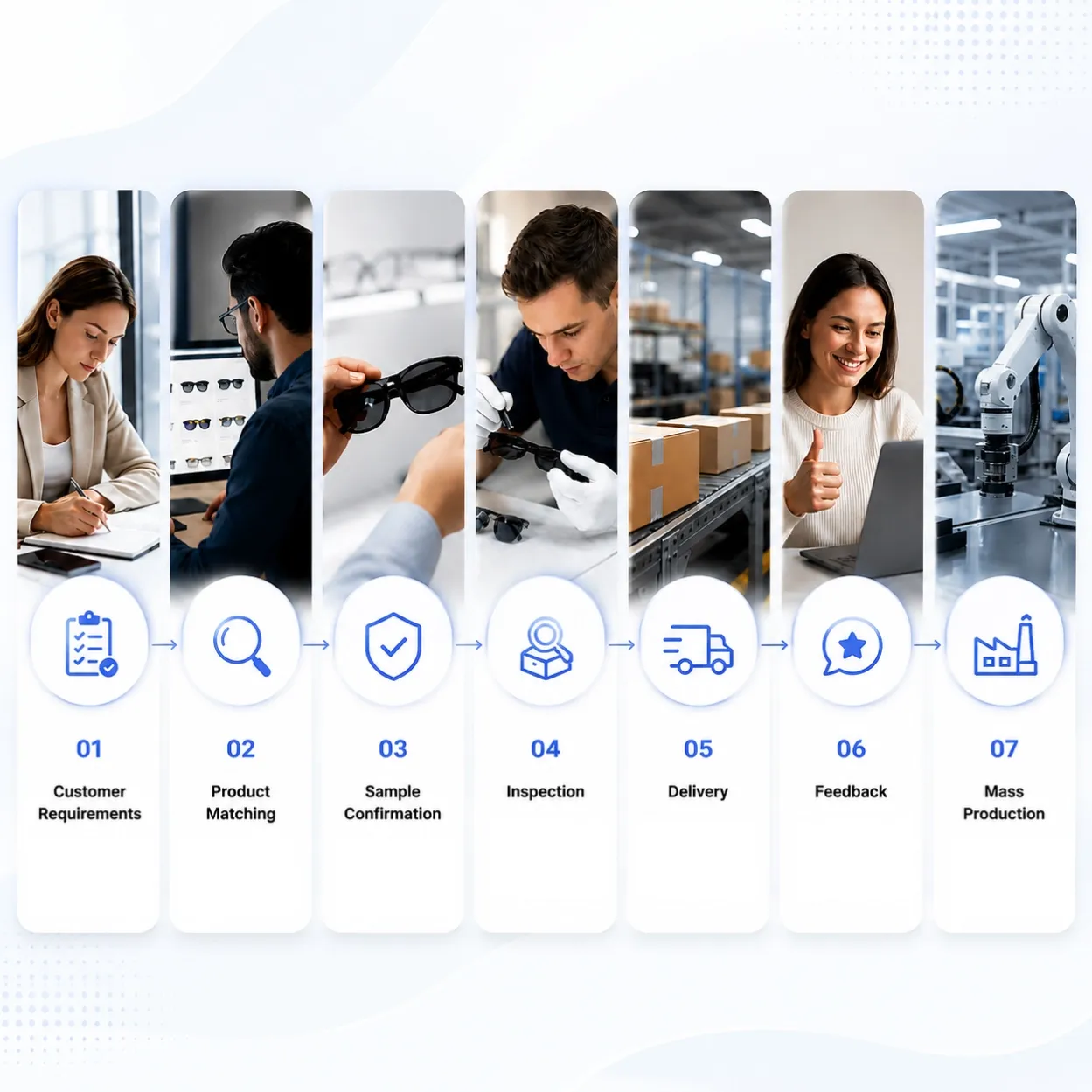
The process then follows several key stages:
Understand Customer Needs: We communicate with the customer to understand the intended application, target market, product requirements, and customization expectations.
Match Suitable Products: Based on these requirements, we identify suitable products and recommend options that are closely aligned with the customer's intended application and market positioning.
Customer Confirms the Product: Once suitable options have been identified, the customer confirms the preferred model, specifications, and customization requirements for sampling.
Careful Pre-Shipment Sample Inspection: Before the sample is shipped, we carefully inspect its appearance, packaging, and functions according to the agreed requirements. This helps identify obvious issues before the sample reaches the customer.
Logistics Coordination: After the sample is approved for shipment, we arrange delivery and provide the relevant logistics information to the customer.
Logistics Tracking: We continue to monitor the shipment during transportation and keep the customer informed of relevant logistics updates.
Sample Questions and Support: After delivery, customers can raise questions regarding product operation, functions, setup, or other issues encountered during testing. We coordinate with the relevant teams or suppliers to help address these questions.
Sample Feedback Recording: Customer feedback from the sample evaluation is recorded and organized. This provides a useful reference for subsequent modifications, customization, and mass production discussions.
This process allows the sample stage to serve as more than a simple product trial. It creates a clear communication record between the customer, supplier, and production team before a larger order is placed.
QC from Sample Inspection to Mass Production
Quality control continues beyond the sample stage.
For samples, we conduct a pre-shipment QC inspection covering the agreed product appearance, packaging, and functions. Relevant inspection results and product information are retained as a reference for subsequent communication and production.
For mass production, we use an approved sample as a consistency reference. A sealed sample is retained from each production batch, allowing subsequent batches to be compared against the previously approved version.
This comparison can cover relevant aspects such as product appearance, structure, packaging, and agreed functional requirements. If differences are identified between production batches, the retained samples and QC records provide a clearer basis for identifying and communicating the issue.
For customers placing repeat orders, this process is particularly useful because products delivered in later batches may need to remain consistent with the previously approved version.
MOQ Based on Product and Customization Requirements
MOQ is not necessarily the same for every project.
MOQ depends on the selected model and the level of customization required. Existing models with logo or packaging customization usually require a lower commitment than projects involving firmware, app development, or new tooling. Contact us with your target model, market, and estimated quantity for an accurate assessment.
This means customers do not necessarily need to begin with a fully customized product development project. When an existing model already meets the main product requirements, customization can focus on areas such as branding or packaging.
Projects involving deeper customization - such as firmware changes, companion app development, or new tooling - may require different quantities, development arrangements, and timelines.
For this reason, MOQ is assessed together with the selected product and the level of customization required rather than treated as a single fixed number across all projects.
Supporting the Process from Sample to Production
For B2B sourcing projects, the sample is only one part of the overall process. Product matching, sample inspection, logistics coordination, customer feedback, QC records, and production consistency all affect the transition from an initial idea to a repeatable product order.
By combining a structured sample workflow with pre-shipment inspection, batch-to-batch QC comparison, and a flexible MOQ approach based on customization requirements, we can support customers across different stages of AI smart glasses and AI plush toy sourcing.
The goal is not simply to provide a sample, but to establish a clear and manageable process:
Customer Requirements -> Product Matching -> Sample Confirmation -> Inspection -> Delivery -> Feedback -> Mass Production