Jun 26, 2026News & Insights
AI Archeology: Resurrecting the Voices of the Silent Centuries
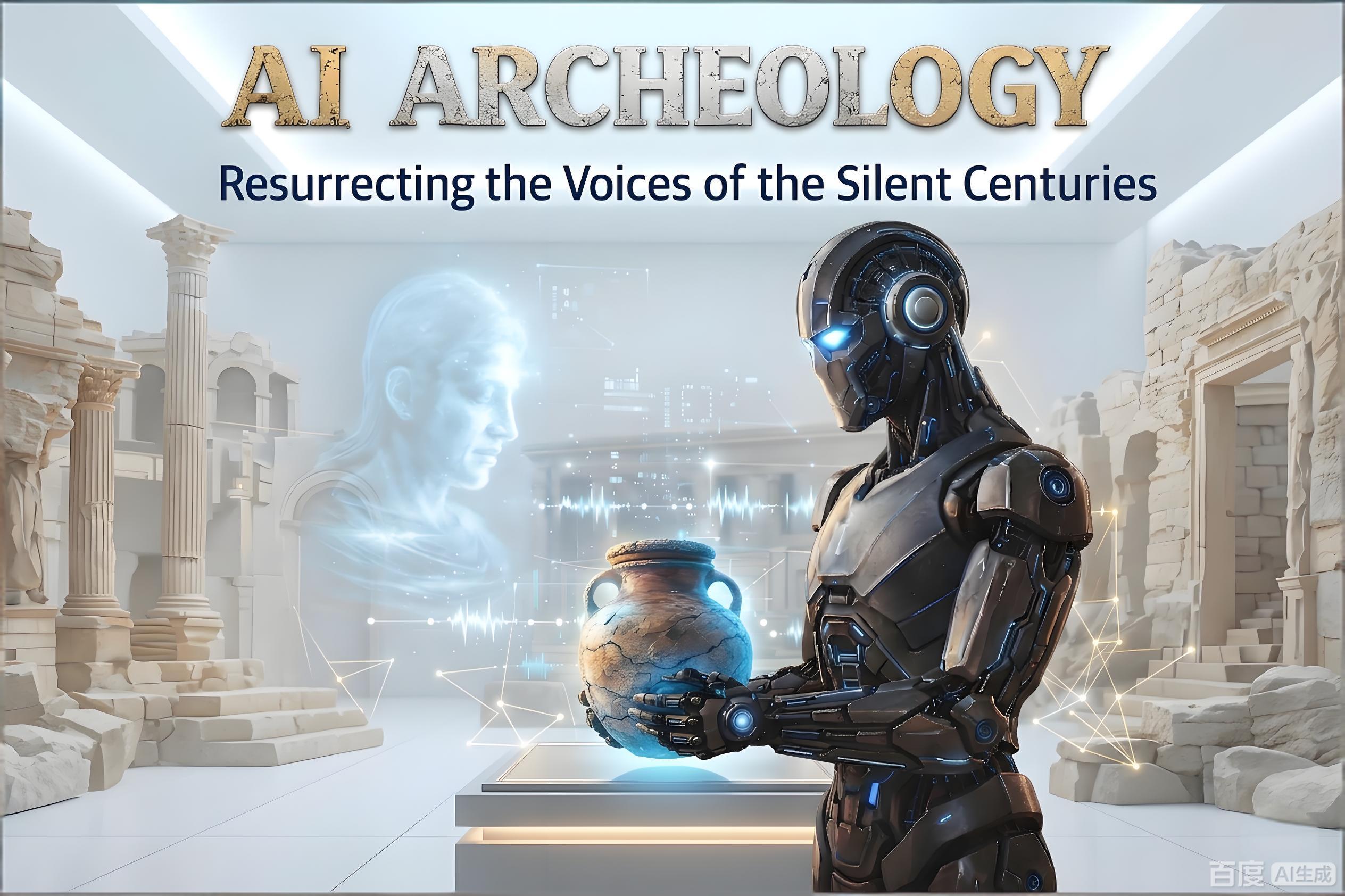
For centuries, history has been a puzzle with the majority of the pieces missing. The libraries are reduced to nothing more than ashes, scrolls carbonised from volcanic ash, and languages are lost among the jumble of unintelligible symbols. However, in the year 2026, the archaeologist's shovel and brush are being replaced by something even more powerful, the Multimodal AI.
The Breakthrough: Reading the "Unreadable"
Headline of the year: Scientists can finally "virtually unroll" the infamous Herculaneum Scrolls, flash-fried by the eruption of Mount Vesuvius in 79 AD. These papyri were considered to be nothing more than charcoal lumps that would crumble at the mere touch of the reader.
The Science of Discovery
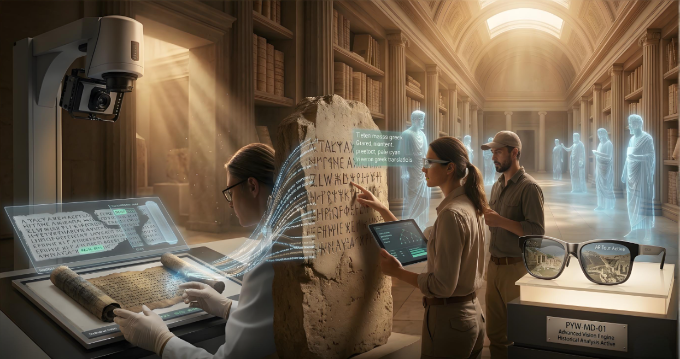
Scanners in the Dust: Using CT scans and multispectral imaging, we can finally look past the physical decay. This technology can spot "ink in charcoal" and "logic in stone," transforming physical ruins into digital information.
Virtual Unrolling: With AI models, we can finally "virtually unroll" a scroll that would crumble at the touch. This information is being used to rebuild entire lost libraries thought to be gone forever.
Deep Read Insight: This is all made possible by "Recursive Refinement," a system in which the AI asks itself questions and corrects itself until it achieves a 98.2% accurate translation.
Why This Matters Today
AI Archaeology has shown us that history was never lost; we were simply never equipped with the eyes to look at it. By resurrecting these voices, we are not only learning about our past; we are rediscovering lost scientific knowledge, medicinal formulas, and philosophical understandings of the world that were thought to be lost forever.
The Future of Vision: The same technology that brought us AI Smart Glasses for reading ancient scrolls today can be utilised for object recognition in our path or for translating text on a historical landmark in real-time.